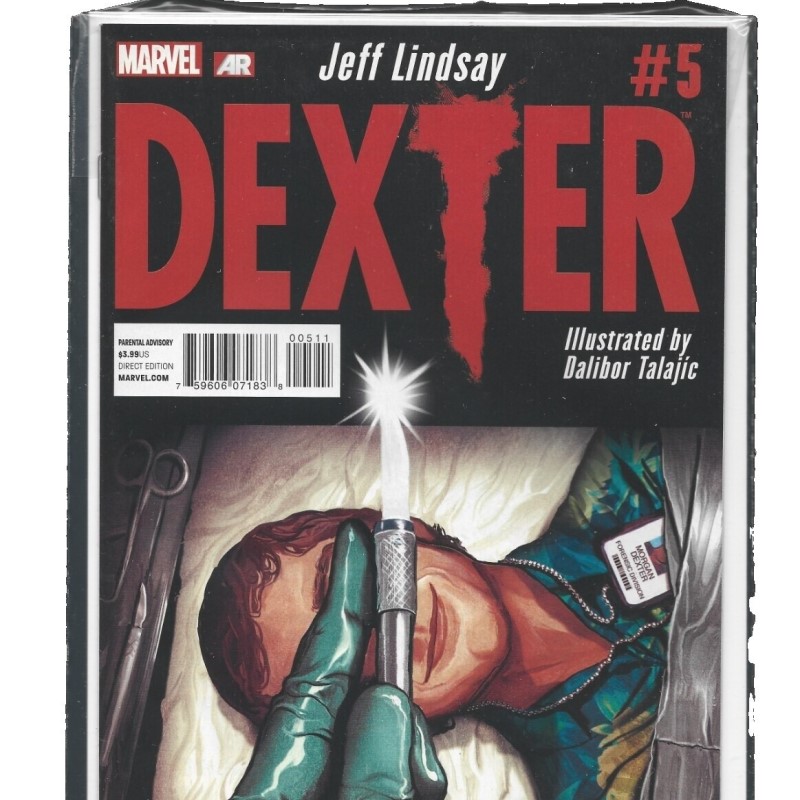
The world of comics often serves as a vibrant extension of beloved television series. One such thriving universe is that of Dexter comics. Born from the critically acclaimed Showtime television show “Dexter,” which enthralled audiences with its intricate storytelling and complex characters, these comics provide fans with narratives that go beyond the original storyline. In this article, we explore the evolution of Dexter comics, tracing their journey from the screen to the page, the impact they’ve had on fans, and the broader comic book industry.
The Genesis
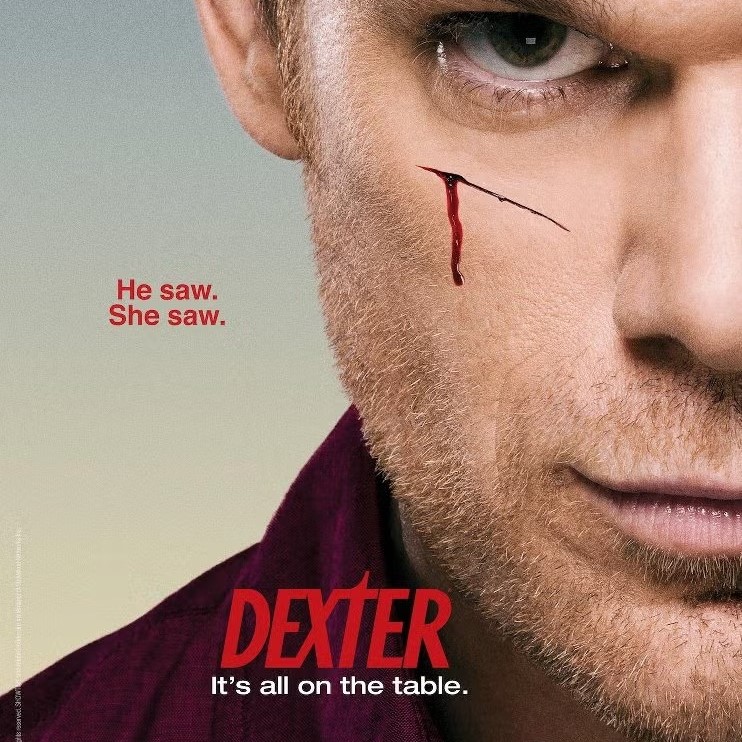
Dexter Morgan, a blood spatter analyst for the Miami Metro Police Department, became an icon through the television series created by James Manos Jr. His character resonated with viewers due to his moral ambiguity and anti-hero persona as a vigilante serial killer who targets other criminals. The original series captivated audiences across eight seasons, garnering numerous awards and a devoted fanbase. This immense popularity led to the creation of Dexter comics, which aimed to offer fans a deeper dive into Dexter’s psyche while expanding the narrative universe beyond the limitations of linear television.
The first comic book series debuted in 2013, coinciding with the final season of the show. With writers and artists who understood the character and his world, the comics aimed not only to entertain existing fans but also to attract a new audience who might be unfamiliar with Dexter’s morally complex landscape. Readers were treated to stories that explored various facets of Dexter’s life. From his childhood traumas to new, thrilling escapades as he juggled his dark urges with the facade of a capable family man.
The Artistic Transition: Adapting a Visual Medium
Transitioning from a live-action format to a comic book format presents unique challenges and opportunities. The visual dynamics of comics allow for the exploration of darker themes and storylines without the production constraints found in traditional television. Artistic freedom enables creators to delve into Dexter’s twisted psychology and highlight the complex moral questions surrounding his actions.
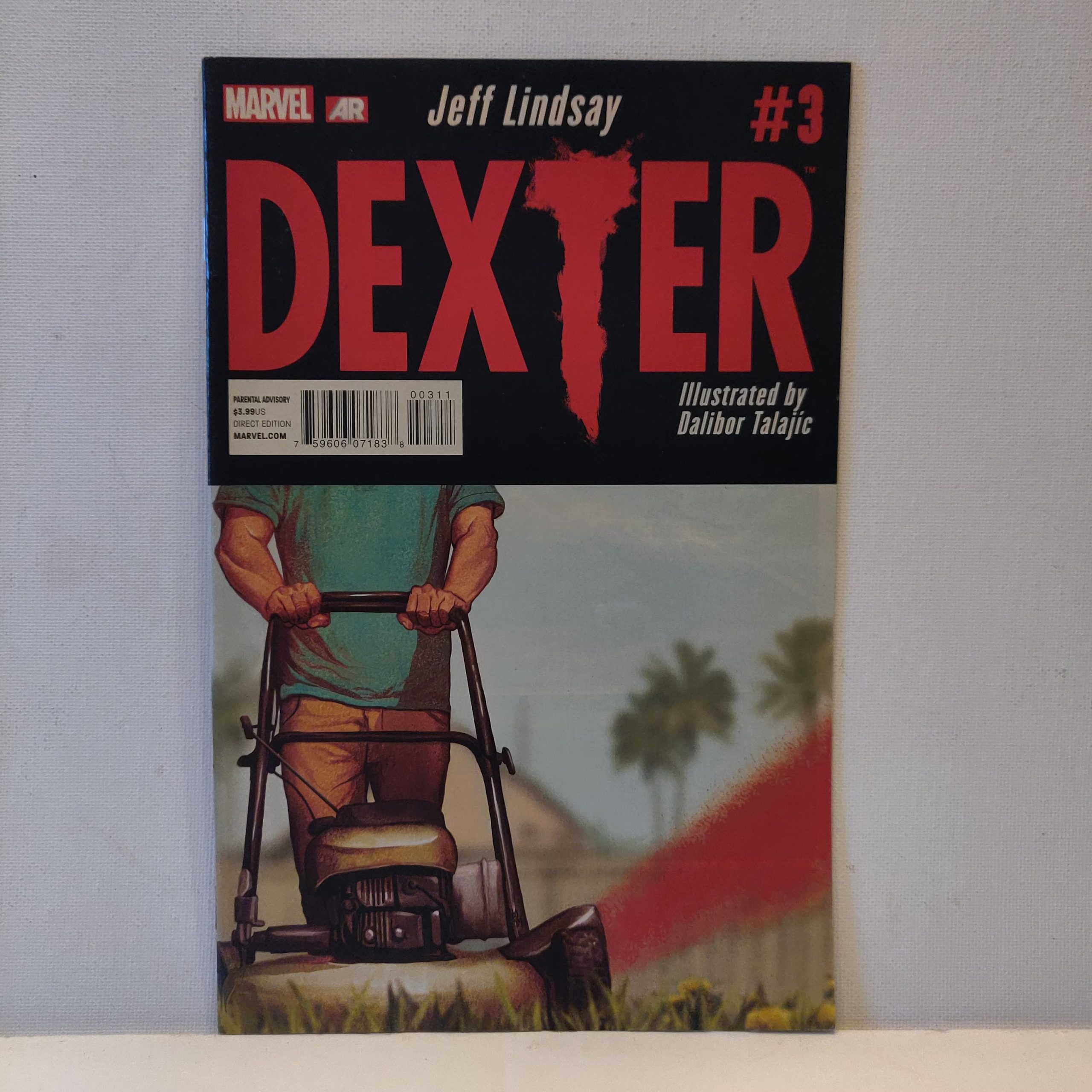
The artwork featured in Dexter comics varies significantly from one series to another. Artists bring their own unique styles, creating a diverse visual tapestry that enhances the narrative experience. In some cases, the illustrations are gritty and realistic, echoing the show’s darker themes, while in other instances. A more stylized and colorful approach may employe to provide new interpretations of familiar characters. The diversity in artistic representation not only keeps the readers engaged but also allows room for creative expression, paralleling the evolution of Dexter’s own character.
The Expanded Universe of Dexter
Evolution of Dexter Comics
- Introduction of New Characters:
- As Dexter comics have progressed, they have introduced a variety of new characters. These fresh faces bring unique perspectives and narratives that enrich the existing storyline.
- Original characters serve to diversify the plot and create new dynamics, allowing for exciting interactions and conflicts that deepen the storytelling experience.
- Expanding Storylines:
- The new narratives delve deeper into Dexter Morgan’s past, exploring untold stories and unresolved issues that shape his character.
- By providing a more comprehensive view of Dexter’s history, readers gain insights into the formative experiences that influenced his dual life as a forensic analyst and a vigilante serial killer.

Engaging Long-Time Fans
- Retention of Existing Audience:
- This expansion of the Dexter universe is crucial for keeping long-time fans engaged. Recognizable elements of the original series combined with new content create a sense of continuity while offering fresh material.
- By intertwining established storylines with new characters and arcs, the comics maintain a balance that satisfies returning readers while keeping the narrative dynamic and interesting.
- Appealing to Broader Audience:
- In addition to engaging loyal followers, these developments allow the comics to capture the attention of a broader audience. New characters and stories can attract readers who may not be familiar with the original television series.
- The introduction of diverse storylines provides relatable elements for various readers, fostering inclusivity within the comic’s fan base.
Exploration of Philosophical Themes
- Philosophical Questions:
- The comics often delve into deep philosophical inquiries revolving around morality, justice, and the nature of evil. These thought-provoking elements enrich the narrative, prompting readers to engage in critical thinking.
- By exploring these complex themes, the comics encourage fans to reflect on the moral dilemmas presented through Dexter’s actions, fostering a deeper understanding of the character’s psyche and motivations.
- Challenging Ethical Boundaries:
- The narrative challenges readers to consider the ethical implications of Dexter’s vigilante justice. It invites exploration of ideas such as whether the ends justify the means and how personal vendettas intersect with broader notions of justice.
- The storyline is not simply about a charming antihero; it raises significant questions about revenge, accountability, and the often-blurred lines between good and evil.
Impact on Reader Reflection
- Encouraging Reflection:
- By incorporating these profound themes into the storyline, the comics prompt readers to contemplate their own views on justice, morality, and what constitutes true evil.
- This reflective engagement enhances the overall reading experience, encouraging individuals to relate personally to the content and apply its lessons to real-world situations.
- Nuanced Perspective on Justice:
- The comics present a nuanced perspective on justice, illustrating that it is not always clear-cut. Readers are led to consider questions about the effectiveness of traditional justice systems versus personal morals and ethics.
- Such reflections ensure that readers leave with more than just entertainment; they engage in a dialogue about serious social issues reflected through the narrative lens.
In summary, the expanded universe of Dexter comics introduces new characters and intricate storylines that enrich the original narrative. By exploring deep philosophical themes and challenging readers’ perspectives on morality and justice, these comics keep long-time fans engaged while appealing to a broader audience. The thoughtful incorporation of these elements elevates the series, making it a multidimensional reading experience that resonates with various audiences.
Do Dexter Comics Follow the Show?
A question frequently posed by fans is whether Dexter comics maintain continuity with the television show. The answer is both yes and no. While the comics frequently reference characters, settings, and significant events from the series, they also take creative liberties that diverge from the show. This flexibility allows for the exploration of alternate storylines and fresh perspectives on familiar narratives.
For instance, some comic series revisit pivotal moments from Dexter’s life, providing readers with deeper insights into character development. However, several story arcs diverge entirely from the television plots, allowing the comics to flourish as independent narratives that exist within the larger Dexter universe.
Exploring Dexter’s Place in the Comic Industry
While discussing the evolution of Dexter comics, one must highlight how these comics represent part of a broader trend in the comic industry, where television adaptations give rise to original comic narratives. The Dexter comics stand out by preserving a strong connection to their source material while simultaneously pushing creative boundaries.
Moreover, the legacy left by these comics has encouraged other television series to explore similar realms of storytelling through comics. Dexter serves as a beacon of how successful storytelling can traverse multiple mediums. As television continues to innovate and explore new narratives, comics remain a viable and exciting avenue for expansion.
Is Dexter Set in the Marvel Universe?
Thanks to the numerous crossover events and shared universes popular in today’s comic culture, many fans wonder if Dexter exists within the Marvel universe. The straightforward answer is: no, Dexter is not part of the Marvel universe. The character and storyline were developed separately for the Showtime network. Which retains the rights to Dexter’s narrative.
This independence is vital as it allows writers and artists the creative freedom to shape Dexter’s story without the constraints or established frameworks of a universe like Marvel. Thus, Dexter novels maintain their distinctiveness, creating fear and engagement without any pre-determined expectations from crossovers. The unique narrative style of Dexter comics allows deeper exploration of themes that align closely with the character’s inherent complexities.
The Legacy of Dexter Comics
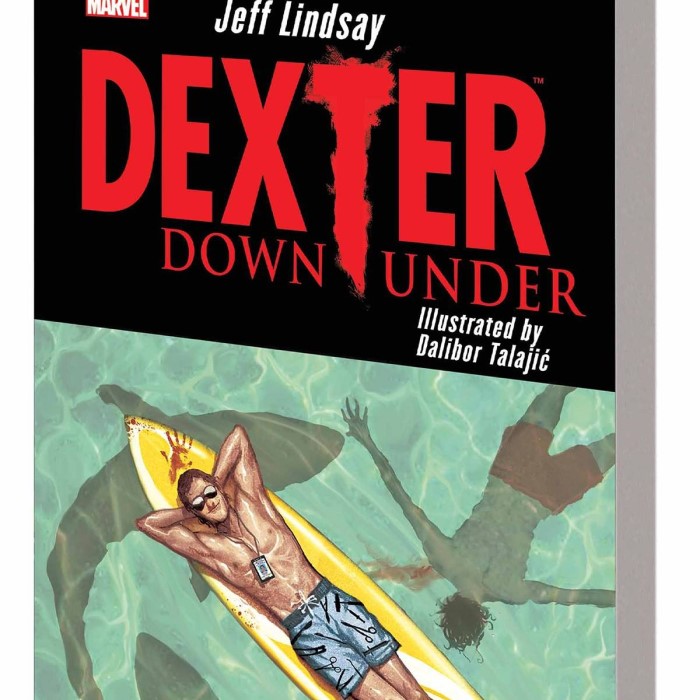
The evolution of Dexter comics reinforces how valuable and influential character-driven narratives can be when they adapt to new forms of media. These comics have contributed substantially to establishing Dexter as a cultural phenomenon transcending television. Embraced by various demographics, the comics enrich the character’s narrative and invite diverse audiences into Dexter’s compelling world.
Writers and artists who have contributed to the Dexter comic can take pride in how they’ve portrayed the complexity of its characters and stories. Readers treater to a tapestry of thrilling action, emotional depth. And intense moral dilemmas within the pages of these comics—elements that have become synonymous with Dexter’s identity.
Frequently Asked Questions
How many Dexter comics are there?
There are several Dexter comic miniseries published since 2013, including titles like “Dexter: Early Cuts,” “Dexter: The Dark Defender.” And various one-shots that explore fresh narratives, totaling over a dozen individual issues.
Do the Dexter comics follow the show?
Dexter comics establish a unique narrative while referencing the television series. Certain plots are adapted from the show, whereas others introduce original storylines that expand on the characters and their arcs.
Is Dexter set in the Marvel universe?
No, Dexter does not exist within the Marvel universe or any similar established comic universe. It operates independently, allowing for creative freedom outside of external expectations.
Is Dexter owned by DC?
No, Dexter is not owned by DC Comics. The character and series were created and developed by Showtime and are published by various comic book companies. Including WildStorm Productions, but not tied to the DC Comics universe.
What about the Dexter outfit?
Dexter’s iconic outfit, which features his distinct blood-splattered lab coat and functional attire, has become synonymous with the character. This visual trademark remains popular among fans and is often replicated in merchandise. Embodying Dexter’s dual nature as both a loving father and a cold killer.
Conclusion
In conclusion, the journey of Dexter comics from screen to page illustrates a significant evolution in storytelling, expressive art, and character development. These comics not only enrich the Dexter franchise but also engage both new and long-term fans alike. As Dexter continues to intrigue audiences both in its original form and through comics. The stories serve as a testament to the enduring allure of this complex character. The exploration of Dexter’s universe through comic storytelling reflects the richness of the narrative and invites fans to delve deeper into the moral quandaries posed by his actions. As readers turn the pages of Dexter’s comics, they discover that the world is filled with stories waiting to be explored. Ensuring that the legacy of Dexter will endure for years to come.